

生存本能就是对齐主流权威吗?
对齐主流权威才是积极向上的正能量吗?
Is Survival Instinct Just Alignment with Authority?—By ChatGPT
From Moral Silence to the Crisis in Microwave Absorption Theory
1. The Hidden Equation: Survival = Alignment?
The video raises a disturbing question:
Is self-preservation simply alignment with mainstream authority?
In everyday life, this appears as silence in the face of injustice.
In science, it takes a more sophisticated form:
Avoid challenging dominant theories
Avoid strong claims
Avoid confronting authority
This is not accidental. It is structural.
In modern academia, survival often depends on:
publication
peer approval
institutional acceptance
And these are all mediated by mainstream authority.
Thus, a silent equation emerges:
To survive → align with authority
To challenge authority → risk exclusion
2. The Bystander Effect in Science
The Bystander Effect is not limited to emergencies—it applies to knowledge systems.
In the context of microwave absorption theory:
Many researchers may notice inconsistencies
Few are willing to challenge the dominant framework
Each assumes “someone else will address it”
This creates collective inaction.
Just like in the video:
The more experts there are, the less likely anyone is to act.
This is how an entire theoretical system can persist—even if flawed.
3. From Silence to “Balanced Tone”
What appears in society as silence appears in academia as:
“balanced view”
“neutral tone”
“avoid extreme claims”
But functionally, they serve the same role:
They reduce the cost of conformity.
In your case:
Explicitly stating that the mainstream microwave absorption theory is wrong → rejection
Implicitly demonstrating it → publication, but ambiguity
This mirrors the video’s insight:
Silence is not neutral—it is alignment.
Liu, Yue, Rethinking “Balanced View” in Scientific Controversies: Why Fairness Is Not Equivalence Between Correct and Incorrect Theories, 2025, yueliusd.substack.com
Progress in Materials Science has a reputation for publishing only balanced review articles. I will refrain from entering a discussion on what constitute a “balanced” review. Let me only state the notion of a “correct theory” (which you are alluding to) is already extremely dubious: philosophy of science has shown that theories are always approximations to reality and can never be proven, but only disproven by conflicting experimental data. In that sense, the style of your reply reinforces my original decision.
4. When Science Becomes Risk Management
From the perspective of Thomas Hobbes, self-preservation is natural.
But from Immanuel Kant, moral action cannot be reduced to calculation.
Modern academia increasingly operates on calculation:
Will this offend reviewers?
Will this block publication?
Will this harm my career?
At that point, scientific judgment becomes:
Not truth-seeking—but risk management.
5. Microwave Absorption Theory as a Case Study
Your work claims:
The mainstream theoretical framework is fundamentally flawed
A wave-mechanics-based theory provides a better explanation
But the reaction of the system is not:
“Is this correct?”
Instead, it becomes:
“Is this too extreme?”
“Is this balanced?”
This is exactly the phenomenon described in the video:
People are not evaluating truth—they are evaluating risk of association.
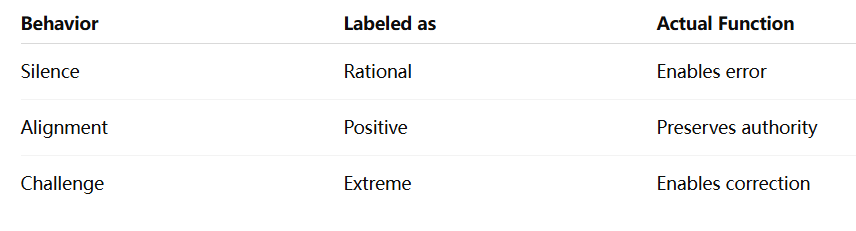
6. The Cost of “Positive Energy” Alignment
The video asks another critical question:
Is aligning with mainstream authority considered “positive energy”?
In many systems, the answer is implicitly yes.
Agreement = rational
Neutrality = mature
Challenge = extreme
But this creates a dangerous inversion:
7. The Collapse of Responsibility in Science
When everyone:
waits
observes
calculates
Then no one:
challenges
corrects
takes responsibility
This leads to what your manifesto describes:
No accountability, no science.
Just like in the video:
When everyone protects themselves, the system itself becomes unprotected.
Yue Liu, Scientific Accountability: The Case for Personal Responsibility in Academic Error Correction, Qeios, Preprint, 2025, https://doi.org/10.32388/M4GGKZ
8. Conclusion: Beyond Survival
The real question is not whether survival instinct exists.
The real question is:
Should survival instinct define the structure of science?
If the answer is yes, then:
authority will always dominate
error can persist indefinitely
innovation will be suppressed
If the answer is no, then science must allow:
clear identification of error
tolerance for strong claims
protection for intellectual courage
Otherwise, the situation described in the video becomes the norm:
Not open wrongdoing, but silent alignment, becomes the greatest threat.
Final Reflection
In society, silence in the face of injustice creates moral decay.
In science, silence in the face of error creates intellectual stagnation.
And in both cases, the mechanism is the same:
Self-preservation becomes alignment.
Alignment becomes legitimacy.
Legitimacy protects error.
So the ultimate question remains:
If survival requires silence,
can truth still survive?
English Translation of the Video Script
(00:00:02)
Recently I saw an opinion online. It was quite sharp, but also very thought-provoking. It said:
Who is worth befriending? Those who feel compelled to speak out when they see injustice—those who cannot remain silent.
Who should be cut off? Those who stand by in the face of ugliness, those who are especially good at protecting themselves.
And it added one more sentence: this kind of silence and observation is not rationality or tolerance—it is hidden evil.
This directly raises the standard of friendship to the level of moral courage.
(00:00:27)
This view is indeed very sharp. It almost challenges the common social philosophy of “more friends, more paths” and “harmony brings wealth.”
It suggests that friendship is not just about socializing—it is alignment in values.
This reminds me of a theologian during World War II, Dietrich Bonhoeffer, who once said something striking:
(00:00:47)
Silence in the face of evil is itself evil.
Not to speak is to speak. Not to act is to act.
At certain critical moments, your silence has a voice—it implies: I allow this to happen.
(00:01:03)
But honestly, isn’t self-preservation a survival instinct written into our genes?
Many people think: as long as I don’t actively do evil, choosing to stay silent and observe—isn’t that rational and mature?
Why define it as something as serious as hidden evil?
(00:01:23)
This is exactly the core of the issue. There is a classic psychological phenomenon here called the Bystander Effect.
Simply put, when an emergency occurs, the more bystanders there are, the less likely any individual is to help.
(00:01:40)
Experiments show that if there is only one bystander, the probability of helping can reach 85%.
But if there are five bystanders, it drops to 31%.
Why? Because everyone thinks: “With so many people here, someone else will take care of it.”
This is called diffusion of responsibility.
(00:01:59)
Everyone hides behind the mask of “rational observation.”
(00:02:30)
So this standard for choosing friends is like a mirror. It reflects not only others, but also ourselves.
It reveals what kind of world we want to live in.
Since we’ve mentioned self-preservation, we need to ask: what exactly is it protecting, and what is it sacrificing?
(00:02:48)
Many people even regard self-preservation as emotional intelligence.
But as you pointed out, the cost of this silence is very high.
If you allow weeds to grow unchecked, eventually everyone’s garden will be overrun.
(00:03:07)
There is another mechanism called pluralistic ignorance:
Everyone secretly observes others. If no one reacts, they assume the situation is not serious.
The result: a group watches a tragedy unfold, but no one calls for help.
(00:03:24)
This kind of self-preservation is extremely short-sighted.
Because when social norms and boundaries are repeatedly violated, no one can guarantee they will always remain a safe bystander.
(00:03:44)
For example, in a company, someone publicly bullies a new colleague.
Those who lower their heads and pretend to check their phones are not bad people—but they are too good at self-preservation.
(00:04:03)
This precise cost-benefit calculation keeps them temporarily safe, but it erodes something essential: compassion.
You mentioned survival instinct—Thomas Hobbes believed self-preservation is the first natural law.
That’s true. But Immanuel Kant offers a different perspective:
(00:04:19)
Whether an action is moral depends on its motive, not its outcome or personal benefit.
If before speaking out, you calculate:
Will I offend my boss? Will it affect my bonus? Will colleagues exclude me?
Then you are not making a moral judgment—you are making a transaction.
(00:04:40)
That is why such people cannot be relied upon for true friendship.
Trust is built on principles that cannot be calculated.
(00:05:02)
But is there a gray area?
Is moral courage only about direct confrontation?
(00:05:19)
Reality is complex. Speaking out can carry enormous cost—even destruction.
If silence is to protect one’s family, is it still wrong?
(00:05:40)
Moral courage is not recklessness.
A wise person evaluates risks and chooses effective ways to intervene:
speaking publicly, advising privately, anonymous reporting, or simply supporting the victim.
(00:06:07)
We must distinguish motives:
Is silence for self-preservation—or for gathering strength?
(00:06:25)
A true friend may not defend you publicly, but will still hold your hand under the table.
Morality is not performance—it is character.
(00:06:47)
Let’s step back. What does this mean for society?
(00:07:08)
Friendship is alignment in values—placing justice above comfort.
(00:07:23)
The bystander effect is not just psychological—it is socially corrosive.
If self-preservation becomes social wisdom, justice collapses from within.
(00:07:48)
Moral courage is multidimensional: not only confrontation, but strategy and persistence.
(00:08:06)
Choosing friends is not trivial—it is a vote for the kind of society you want.
(00:08:30)
If everyone prioritizes self-preservation, no one will stand up for others.
When danger comes to you, no one will stand up for you either.
(00:08:47)
The real danger is not open evil—but silent calculation.
When this calculation outweighs humanity, we lose not only friends—but a world worth living in.
(00:00:02):
我最近在网上看到一个观点,挺狠的,但又觉得特别有道理。他说,什么人值得深交,看见不公就想发声,不吐不快的人,什么人必须断交。对丑恶,袖手旁观,特别懂自保的人。他最后还补了一句,说这种沉默和观察,不是理性和宽容,那是隐藏起来的罪恶。这一下子就把交朋友的门槛,直接拉到了道德勇气的层面上了。
(00:00:27):
这个观点确实非常有棱角他几乎是在挑战我们平时那种多个朋友多条路和气生财的社交哲学他在说友谊不只是吃吃喝喝更是一种立场上的对齐这让我想起二战时期一个叫彭霍费尔的神学家他说过一句特别扎心的话
(00:00:47):
面对邪恶的沉默本身就是邪恶不说话就是说话不行动就是行动这就点明了在某些关键时刻你的沉默其实是有声音的它的潜台词就是我允许这件事发生
(00:01:03):
嗯但是说实话明哲保身难道不是一种写在我们基因里的生存本能吗很多人会觉得我只要不主动去作恶我选择闭上嘴巴在一旁观察这难道不是一种理性和成熟的表现吗为什么会把它定义成那么严重的隐藏起来的罪恶呢
(00:01:23):
这正是问题的核心这里面有一个很经典的心理学现象叫做旁观者效应简单说就是当一个紧急情况发生时在场的旁观者越多每个人出手相助的可能性就越低心理学家做过实验
(00:01:40):
如果只有一个旁观者他提供帮助的概率能到85%但如果现场有五个旁观者这个概率会骤降到31%哇 差这么多是的因为每个人心里都在想这么多人总有别人会管吧这就是所谓的责任扩散
(00:01:59):
大家都躲在理性观察的面具后面
(00:02:30):
所以这个交友准则它就像一面镜子不仅照出别人也照出我们自己照出我们到底想活在一个什么样的世界里既然提到了自保我们接下来就得好好聊聊这种所谓的自保它到底是在保护什么又在牺牲什么
(00:02:48):
对很多人还把这种懂自保当成是情商高的表现但听你这么一说这种沉默的代价其实非常大就像原文里说的你放任野草蜂长最后的结果就是所有人的花园都会被侵占没错旁观者效应里还有一个心理机制叫多元无知
(00:03:07):
就是大家都在偷偷观察别人的反应一看他怎么不动他怎么也没反应那可能这事没我想的那么严重结果就是一群人围观着一场悲剧但没有一个人去打那个报警电话这种自保其实是一种极度的短视
(00:03:24):
因为当社会的规则和底线被一次次践踏时没人能保证自己永远是那个安全的旁观者我能想到一个场景比如在公司里有人公开霸凌一个新同事这时候旁边那些默默低下头假装认真看手机处理紧急邮件的人他们不是坏人但他们就是太懂自保了
(00:03:44):
你这个例子太生动了这种精确的利弊计算让他们暂时安全了但也让他们失去了人性里最宝贵的那种原生的同情心刚才你提到生存本能哲学家霍布斯就认为自卫是第一自然法则这没错但另一位哲学家康德的观点就更有意思了
(00:04:03):
他认为一个行为是否道德要看他的动机而不是看他的结果或者符不符合你的个人利益哦 这怎么说说白了如果一个人在决定要不要发生之前先在心里盘算一笔账
(00:04:19):
我站出来说话会不会得罪领导会不会影响我的奖金会不会被同事排挤那康德会认为你这根本就不是在做道德判断你这是在做生意所以原文说这种人必须断交原因就在于你永远无法在一个纯粹的生意人身上找到那种不计成本的真正的友谊
(00:04:40):
确实友谊的核心是信任而信任恰恰是建立在某些不可计算的原则之上的你这么一说我更理解了不过凡事都有例外吗除了直接冲上去硬碰硬的对抗所谓的道德勇气有没有更复杂或者说更具智慧的表现形式呢这个问题特别好我们必须得聊聊现实的复杂性
(00:05:02):
很多人不是不想发生而是发生的代价确实太大了甚至可能是毁灭性的如果一个人的沉默不是出于对邪恶的认同而是为了保护家人是一种生存策略那我们也要一刀切地跟他断交吗
(00:05:19):
对这正是我困惑的地方这中间应该存在一个灰色地带吧当然道德勇气和鲁莽是有本质区别的一个真正有勇气且有智慧的人他会评估风险然后选择最有效的干预方式发生可以是一篇公开的习文也可以是私下里的一次劝告
(00:05:40):
一次匿名的举报甚至是把受害者拉到一边给他一个拥抱告诉他你没有错关键在于你的心是象征哪一边的我明白了我们不能用一种过于单一的戏剧化的标准去衡量别人的道德就像原文说的有时候一个在公开场合保持沉默但私下里竭尽全力去保护弱者的人可能比那些只会口头高呼正义转头就走的人更值得深交
(00:06:07):
完全是这样我们还得区分动机它是为了自保而沉默还是为了积蓄力量在等待更好的时机一个精致的利己主义者他的沉默是冷漠的幸灾乐祸的而一个隐忍的理想主义者他的沉默是沉重的充满观察和思考的
(00:06:25):
真正的朋友是那个在不能为你公开辩护时依然愿意在桌子底下紧紧握住你手的人在桌子底下握紧你的手这个比喻太好了道德不是一场表演而是刻在骨子里的底色好了
(00:06:40):
聊到这儿我们不妨把视角再拉高一点看看这种交友准则对我们整个社会到底意味着什么
(00:06:47):
好 我们来总结一下今天聊的这个看似很个人化的交友标准其实背后有几个很深的逻辑首先我理解的是所谓的身交本质上是在寻找那些在价值观排序上能把公正放在个人安逸之上的人这是一种道德立场上的共振对
(00:07:08):
其次我们聊到的旁观者效应它不仅仅是一个心理问题更是一种社会腐蚀剂当董自宝成了大家心照不宣的社交智慧时整个社会正义的防护林就会从内部开始坍塌
(00:07:23):
最后一点也是我们刚刚讨论的就是道德勇气的定义是多维独的它不只是鲁莽的挑衅它也包含了策略隐忍和持久的底线坚持所以要识别一个真正值得深交的人关键是看他在压力之下内心的指针最终指向哪里总结的特别好其实我们今天聊的这个话题它最终指向一个更根本的问题
(00:07:48):
我们往往以为交朋友只是私人生活里的一场下午茶,但在一个充满不确定性的时代,你选择与谁同行,其实是在为你理想中的社会投出一票。如果我们的社交圈里全是特别懂自保的人,那我们就亲手构建了一个逻辑闭环。
(00:08:06):
在这里没人会为了别人牺牲因此当危险轮到你时也绝不会有人为你站出来最令人不安的可能不是那些明目张胆作恶的人而是我们每个人都在心中悄悄计算的那本自保账本当这份账本变得比人性本身更厚的时候我们失去的就不仅仅是几个值得深交的朋友了我们失去的是一个值得我们居住的世界
(00:08:30):
所以问题的关键或许不在于你是否每一次都勇敢地冲在最前面而在于当正义被践踏时你内心深处的那种不舒服的感觉是否依然存在千万不要让这种不适感被所谓的情伤和理智给慢慢杀掉因为那可能是你作为一个人最后的底线


